

Why visual thinking is so important for science
People perceive the world primarily through their eyes. A significant part of the brain is occupied with processing shape, color, movement, and light. We quickly recognize images, associate them with meaning, and remember them for a long time. Therefore, visual information plays a key role in learning, research, and knowledge transfer. A well-made image helps to understand a complex idea faster and more accurately than a long explanation in words.
In science, visual materials have long been a working tool. Diagrams, charts, and illustrations allow us to see the structure of data and the connections between elements. When information is presented visually, it becomes understandable even to those who are just beginning to understand the subject.
Drawings as the basis of scientific knowledge

Before the advent of photography, scientists were completely dependent on drawings.
During research expeditions, artists recorded the appearance of plants, animals, and natural phenomena. These images served as scientific documents and a source of knowledge for other researchers.
Drawings of that time served several functions at once:
- They conveyed the exact appearance of an object
- They helped to compare species and find differences
- They preserved knowledge for future generations
- They made science accessible to the general public
Illustrations often combined accuracy and artistic style. Thanks to this, people could study the nature of distant regions without ever having been there.
Visual instructions and action-based learning
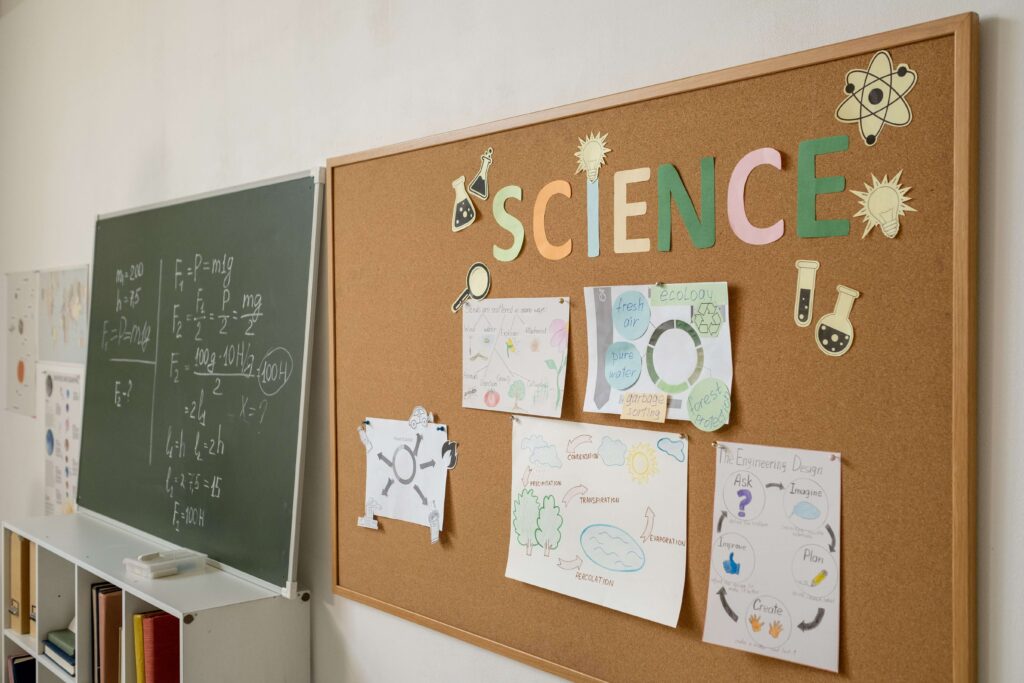
Today, the visual approach is actively used in educational materials. It works especially well when it is important to show a process step by step. Clear drawings and diagrams help to understand the task and get started right away.
Visual instructions are useful because they:
- Reduce fear of complex tasks
- Simplify the perception of information
- Help to move from theory to practice more quickly
This format is suitable for both children and adults. It turns learning into an active process where people learn through action and observation.
Clarity and focus in scientific data
Visual materials help science remain understandable. A single well-designed illustration can replace a page of text and eliminate unnecessary details. It directs attention to the main points and helps avoid confusion in the data.
Visual thinking connects science and art. It makes complex ideas clear and knowledge accessible. That is why images remain an important part of research, education, and communication between scientists and society.