
Ticks and Lyme disease. How does nature influence the risk of infection?
Spring in the northeastern United States brings warmth and greenery, but with it comes tick season. After walking in the garden or working in the yard, people increasingly find these tiny parasites on their clothes, skin, and pets. Ticks are uncomfortable in themselves, but the main danger is associated with the diseases they carry. The most well-known of these is Lyme disease.
Ticks and Lyme disease
Deer ticks feed on blood and can transmit the Borrelia burgdorferi bacterium when they bite. This bacterium causes Lyme disease. The disease affects the joints, nervous system, and overall well-being. Cases of infection are particularly common in rural areas of the northeastern United States.
For a long time, scientists linked the increase in the number of cases to the growth of the white-tailed deer population. The logic seemed simple. More deer means more ticks. More ticks means a higher risk of infection. This pattern seemed convincing and was considered the main one for a long time.
The life cycle of the deer tick
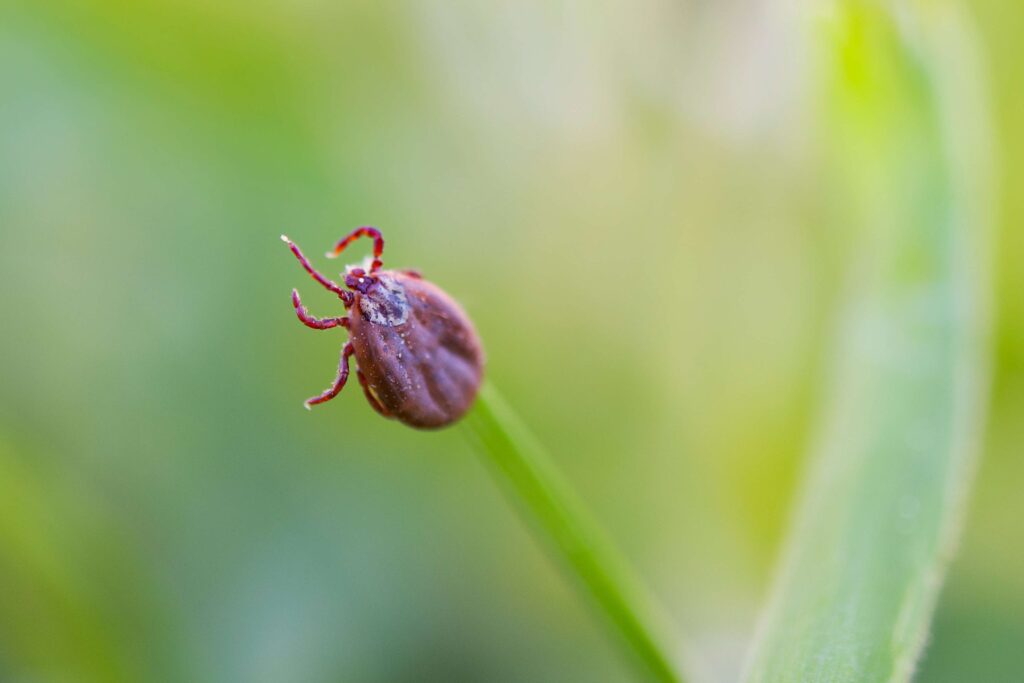
To understand the situation more deeply, it is important to know how the tick lives. During its lifetime, it goes through several stages and feeds on blood three times.
The life cycle looks like this:
- In the summer, larvae hatch from eggs.
- The larvae find their first host and feed.
- After molting, they hibernate in the soil.
- In the spring, nymphs look for a second host.
- In the fall, adults feed on large mammals and reproduce.
At any stage, a tick can become infected with the bacteria if its host is already a carrier of Lyme disease. After that, every subsequent bite becomes potentially dangerous.
The new role of rodents
Recent studies have shown that deer do not play a key role in the spread of the disease. For many years, scientists collected data on the weather, animal populations, and the number of acorns in the forests of New York. The results were unexpected.
The number of infected ticks was almost independent of the deer population. Temperature and precipitation also had little effect. The most important factors were small rodents and the acorn harvest.
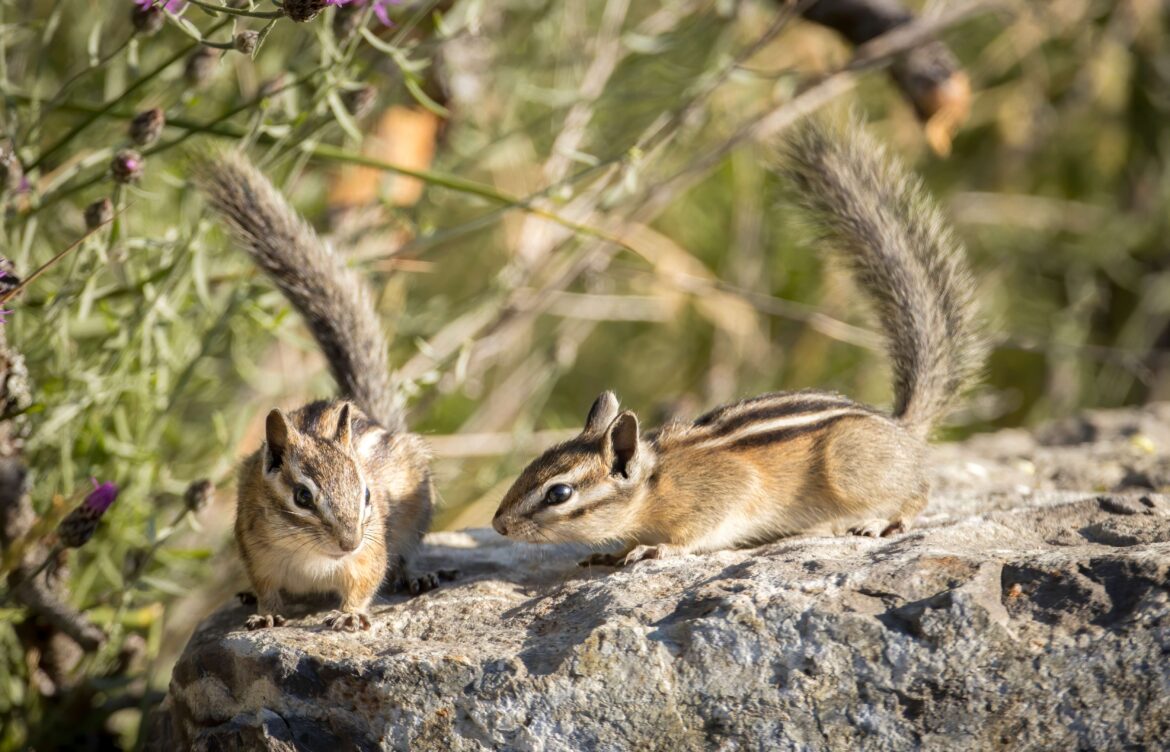
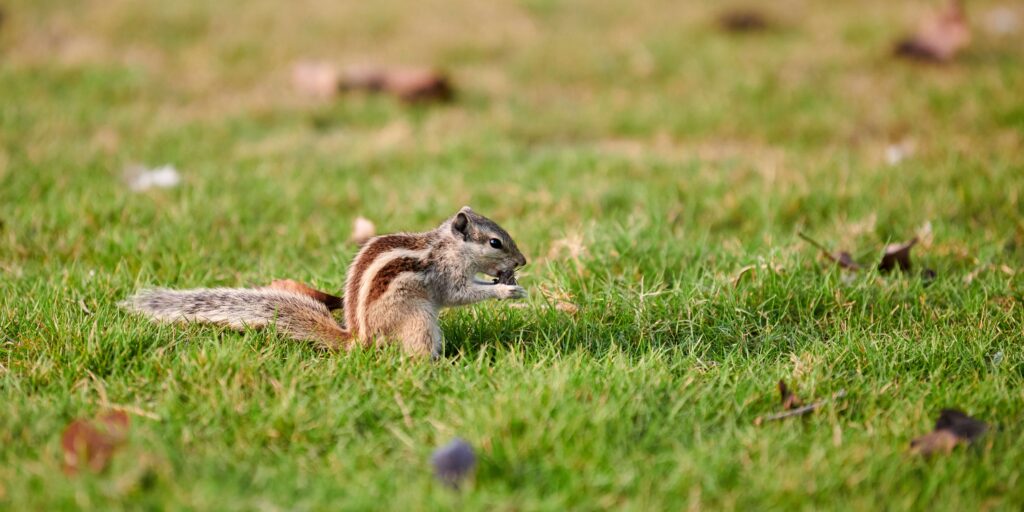
Mice and chipmunks are often carriers of the Borrelia burgdorferi bacterium. When oak trees produce an abundant harvest of acorns, rodents have plenty of food. This leads to an increase in their numbers. Over time, tick larvae find more hosts and become infected with the bacteria more often.
Ecology and time
This process takes several years and appears to be a chain of events. First, oak trees produce many acorns. Then the number of rodents increases. After that, the tick population grows and the risk of Lyme disease for humans increases.
This example shows how closely ecology and human health are linked. Small changes in nature lead to noticeable consequences over time. Understanding these connections helps to better assess risks and choose ways to protect yourself during tick season.